Top Benefits of Aluminium Sliding Doors for Commercial Buildings
Have you ever noticed how commercial spaces struggle to balance aesthetics, durability, and performance without compromising long-term value? Modern architecture demands solutions that deliver measurable performance under heavy usage.
This is where aluminium sliding doors have emerged as a preferred choice across offices, retail outlets, hospitality spaces, and large-scale developments. These doors are designed with precision engineering and architectural intent, offering seamless functionality, efficiency, and premium design, making them ideal for high-traffic commercial environments.
What Are Aluminium Sliding Doors?
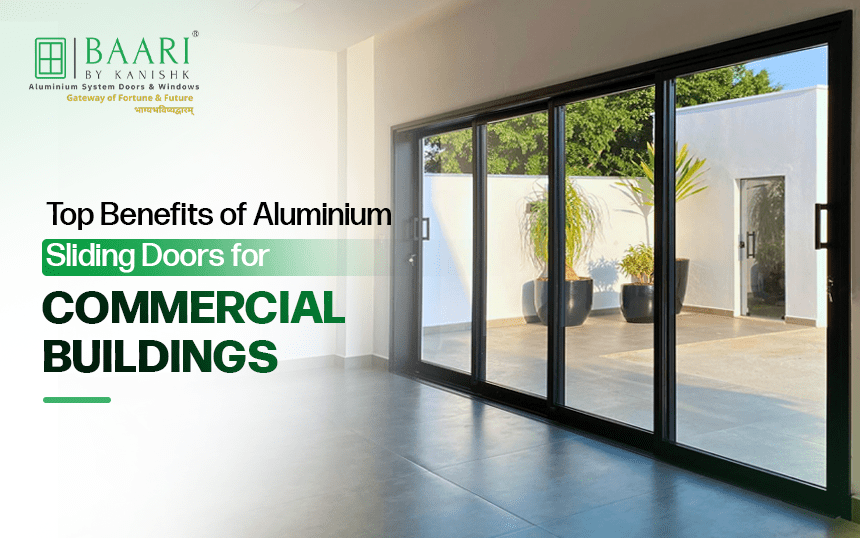
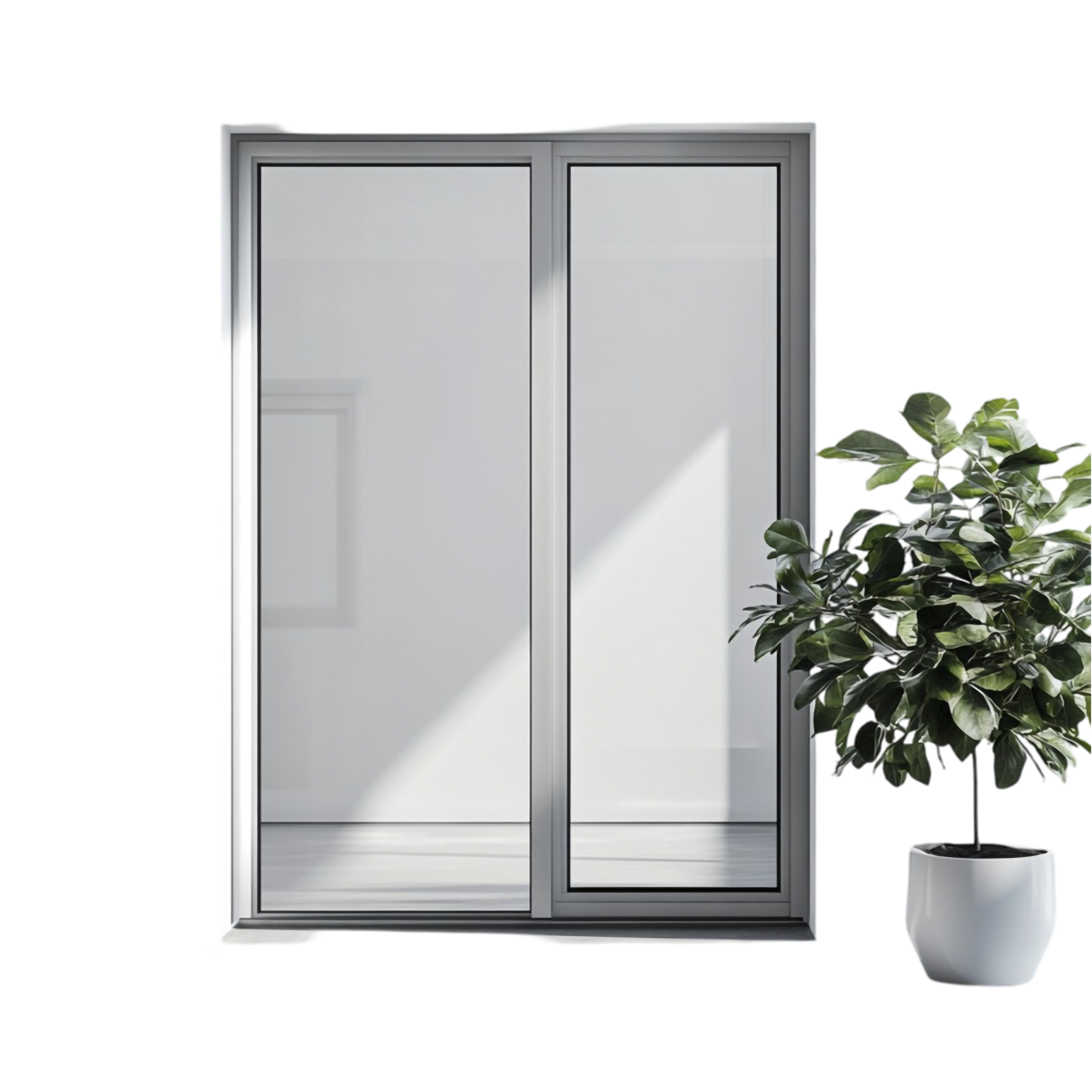
Aluminium sliding doors are high-performance systems featuring horizontally sliding panels supported by precision-engineered tracks and rollers. Unlike traditional hinged doors, they maximise opening space while maintaining structural strength and sleek appearance.
Built using engineered aluminium profiles, these systems ensure superior alignment, smooth operation, and long-term durability, all backed by precision in-house development for consistent performance.
Their ability to support large glass panels makes them ideal for commercial applications such as offices, showrooms, hotels, and retail spaces.
Key Benefits of Aluminium Sliding Doors for Commercial Buildings
Modern commercial architecture demands solutions that perform under pressure while enhancing visual appeal. Here is how these systems deliver measurable value.
1. Space Efficiency and Seamless Movement
One of the most practical advantages of aluminium sliding systems is their ability to optimise space. Unlike hinged doors, they operate on a horizontal track, eliminating swing space requirements.
For example, in retail showrooms or corporate lobbies, sliding systems allow uninterrupted movement while maintaining clear visual access between indoor and outdoor zones. Architects often integrate them into reception areas to create openness without compromising functionality.
2. Enhanced Natural Light and Visibility
Natural daylight plays an important role in improving workplace productivity and reducing artificial lighting dependency. Aluminium sliding doors allow larger glass panels, significantly enhancing daylight penetration.
Research indicates that buildings with increased natural lighting can reduce energy consumption by approximately 20–30%. This makes sliding systems a strategic architectural choice for sustainable commercial design.
3. Structural Durability and Long-Term Reliability
Commercial environments demand materials that can withstand frequent use and varying environmental conditions. Aluminium offers excellent structural stability, corrosion resistance, and long service life.
Unlike wood or steel alternatives, aluminium does not warp, crack, or swell under changing weather conditions. This ensures consistent performance in high-traffic environments such as airports, hospitals, and shopping complexes.
4. Security and Performance Efficiency
Security remains a primary concern in commercial architecture. Aluminium systems can be integrated with advanced locking mechanisms, multi-point security systems, and glass options to enhance protection.
In addition, thermal break technology and high-performance sealing systems improve insulation, reduce air leakage and help maintain stable indoor temperatures, supporting energy efficiency goals.
5. Engineering Trust and Manufacturing Excellence
Reliable performance in architectural systems depends heavily on manufacturing precision and quality control. Leading brands in the industry maintain strict engineering standards to ensure consistency and durability across projects.
For instance, aluminium door manufacturers that operate with in-house extrusion, die development, and fabrication capabilities provide greater control over product quality and system performance.
This level of engineering integration ensures that every component meets architectural and structural requirements without compromise.
Final Thoughts
Aluminium sliding systems are redefining commercial architecture by combining efficiency, durability, and modern design flexibility. Their ability to enhance natural light, optimise space, improve energy performance, and support long-term reliability makes them a strategic investment.
As architectural expectations continue to evolve, aluminium systems will remain a core component of sustainable and high-performance building design.
At BAARI by KANISHK, we focus on delivering engineered aluminium solutions tailored for modern building. With complete control over production and a strong focus on design precision, we align with the evolving industry needs across India. Contact us to explore how we can support your next project.
FAQs
1. Are aluminium sliding doors suitable for high-traffic commercial areas?
Yes, they are designed for durability and smooth operation, making them ideal for frequent use in commercial environments.
2. Do these systems help in reducing energy costs?
Yes, when combined with proper glazing and sealing, they improve thermal efficiency and reduce energy consumption.
3. Can aluminium sliding systems support large openings?
Absolutely. Their structural strength allows for wide spans and large glass panels without compromising stability.
4. How do they perform in harsh weather conditions?
High-quality systems offer excellent resistance to water, wind, and dust due to advanced sealing technologies.