
Sleek Aluminium Casement Doors
When planning a home, most people spend a lot of time choosing the main door, flooring, furniture and paint colours. Doors that open towards a balcony, garden or outdoor space sometimes get less attention. But they are used every day, so choosing the right one matters.
Aluminium casement doors are a popular option for modern homes because they offer a neat appearance, a strong frame and different design possibilities. They can work well for balconies, patios, garden entrances and other areas where you want a proper opening instead of a fixed glass panel.
Still, not every aluminium casement door is the same. The frame, glass, hinges, locking system, seals and installation all affect how the door feels and performs after it is fitted.
If you are planning to buy one, this guide will help you understand what to check, which features matter and what questions to ask before placing an order.
What Are Sleek Aluminium Casement Doors?
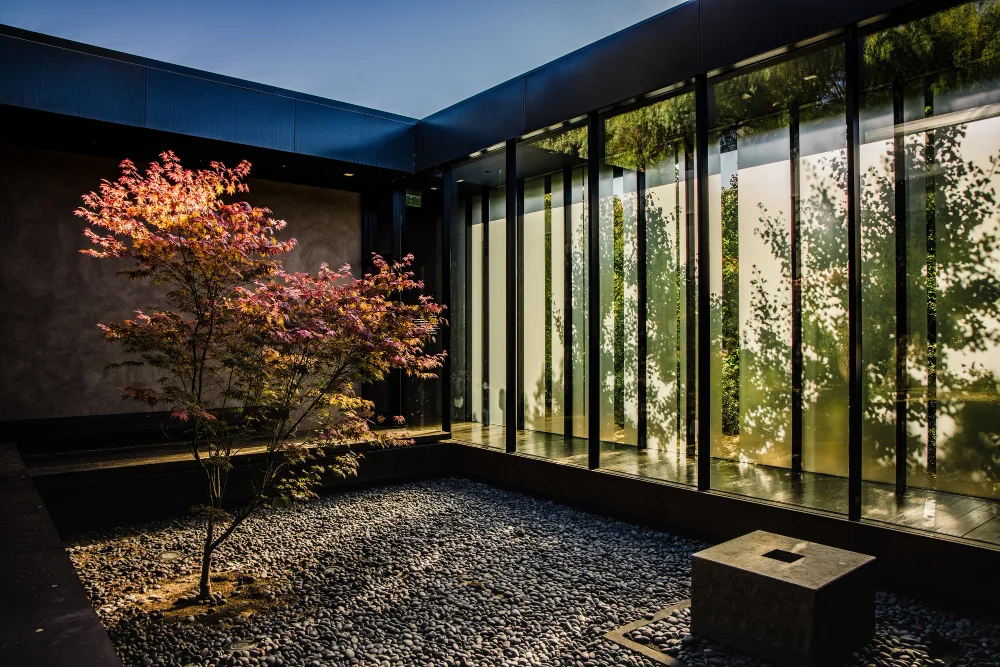
An aluminium casement door is a hinged door fitted into an aluminium frame. It opens by swinging inwards or outwards, depending on the design and available space.
The word “sleek” usually refers to a cleaner, more modern appearance, with neatly designed aluminium profiles and larger glass areas.
These doors can be used in different parts of a property, such as:
Balcony entrances
Garden and patio access
Bedroom doors opening onto a balcony
Terrace access
Selected office and commercial spaces
Indoor areas where a glazed door is required
One thing to remember: a casement door is not simply a larger casement window. A door is used for regular movement, so its hinges, locking arrangement, threshold and overall construction need to suit frequent opening and closing.
Why Are Aluminium Casement Doors a Good Option?
There are several reasons homeowners and architects consider aluminium for modern doors.
1. A clean and modern appearance
Aluminium frames can create a neat, contemporary look. When paired with suitable glass, they allow more natural light to enter and help connect indoor spaces with balconies, gardens or outdoor areas.
They can suit both simple home designs and more modern architectural styles.
2. Strength for everyday use
A door is opened and closed much more frequently than many fixed glass panels. It needs a frame and hardware that can handle regular use.
Aluminium is a strong material, and a properly designed door system can provide a suitable balance of appearance and structural support.
The important part is choosing a profile designed for the size, weight and intended use of the door.
3. Different glass options
Depending on the system, aluminium casement doors can accommodate different glass specifications.
This gives homeowners flexibility when considering natural light, privacy, safety and the overall appearance of the entrance.
4. Different finishes
Aluminium doors are available in different finishes and colours. This makes it easier to coordinate the door with the home's windows, furniture, flooring and exterior design.
5. Relatively easy maintenance
Aluminium does not need regular painting like traditional wooden doors may require. Routine cleaning and occasional checking of the hinges, locks and seals can help keep the door in good working condition.
Low maintenance does not mean no maintenance, though. Moving parts still need attention over time.
Where Can You Install Aluminium Casement Doors?
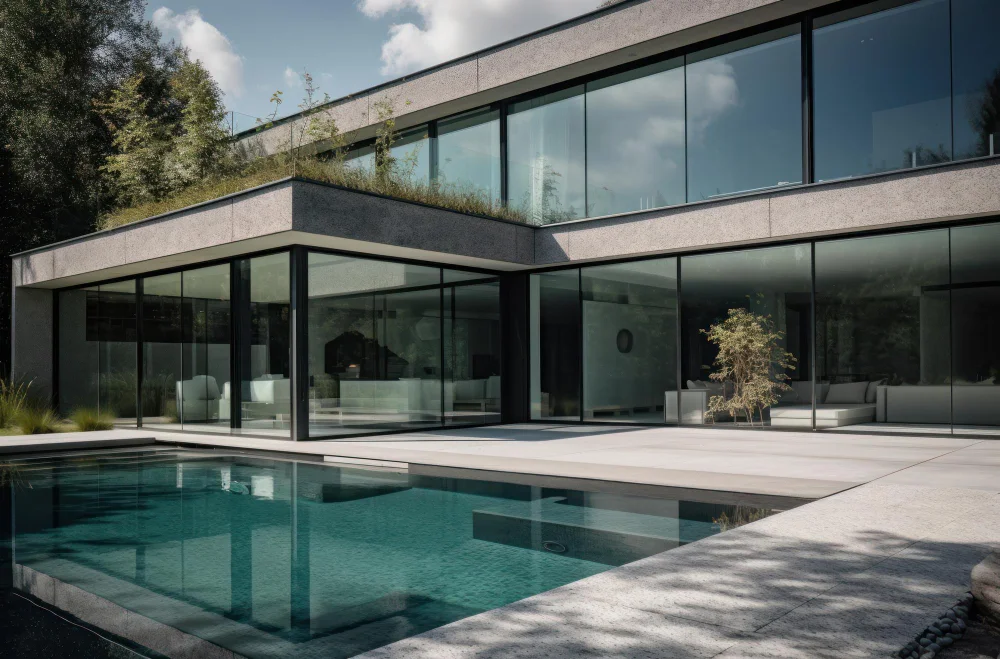
Before choosing a design, think about where the door will be installed. The location can change which features are most important.
Balcony doors
Balcony doors should allow convenient movement between the room and balcony. They should also close properly when not in use.
Check the opening direction, available floor space and threshold height before finalising the design.
Patio and garden doors
For a patio or garden entrance, the view and natural light may be important. A glazed aluminium door can help create a more open feeling.
If the door faces an exposed outdoor area, give extra attention to weather sealing, drainage and the glass specification.
Bedroom balcony doors
For a bedroom, privacy and comfort are important. Consider the glass type, locking arrangement and how easily the door can be operated.
Curtains or blinds can also be planned along with the door design.
Office and commercial spaces
In offices and commercial properties, doors may be used frequently throughout the day. Hardware quality, ease of operation and the suitability of the door for the expected traffic should be discussed before ordering.
8 Important Things to Check Before Buying Aluminium Casement Doors
This is the part worth spending time on. A door may look attractive in a catalogue, but the specifications tell you much more about what you are buying.
1. Check the aluminium profile
The aluminium profile is the main frame section used to make the door.
Different profile systems have different dimensions, designs and capabilities. A profile that works for a small opening may not be suitable for a larger or heavier door.
Ask the manufacturer:
Which aluminium profile series is being used?
What is the frame construction depth?
What glass thickness can the system accommodate?
What are the recommended maximum door dimensions?
Is the profile suitable for the intended opening?
Do not choose a profile only because it looks slim. It should also be suitable for the door's dimensions and glass weight.
2. Choose the right glass
Glass has a major effect on the appearance and everyday use of an aluminium casement door.
Some commonly considered options include:
Clear glass: Allows natural light and provides an open view.
Tinted glass: Can help reduce glare and offer more privacy, depending on the specification.
Toughened glass: A safety glass option that is heat-treated to improve strength compared with ordinary annealed glass.
Laminated glass: Holds together when fractured because of the interlayer between glass sheets.
Double glazing: Uses two panes separated by a sealed gap and may help improve thermal and acoustic performance when correctly specified.
The right choice depends on the location, door size, safety requirements and comfort you want.
For a balcony or outdoor-facing door, ask the manufacturer which glass specification is suitable for that particular application. Do not assume that every glass type or thickness is suitable for every door.
3. Pay attention to hinges and hardware
This is one of the most important points when buying a casement door.
The hinges carry the weight of the moving shutter. If the door is large or uses heavy glass, the hardware needs to be selected accordingly.
Before ordering, ask about:
Hinge type and material
Hardware load capacity
Handle quality
Locking arrangement
Availability of replacement parts
Ease of adjustment and maintenance
A good door should open and close smoothly without needing excessive force.
If possible, operate a display sample before making the final decision. You can learn a lot from how the handle feels and how smoothly the shutter moves.
4. Understand the locking system
A door needs a locking arrangement that suits its location and intended use.
A balcony door, for example, may have different security requirements from an internal glazed door.
Ask the manufacturer:
What type of lock is provided?
Is the lock single-point or multi-point?
How does the door secure against the frame?
Is the handle comfortable to operate?
Can the locking hardware be serviced or replaced?
A strong aluminium frame alone does not make a door secure. The lock, hinges, glass and installation all matter.
5. Check the sealing and gaskets
Seals and gaskets are small components, but they play an important role.
They help close gaps between the door and frame and around the glass. A suitable sealing arrangement can help limit unwanted air and water entry.
When comparing products, ask:
What type of gasket is used?
How does the shutter seal when closed?
Are the seals replaceable?
How is the bottom portion of the door sealed?
What provisions are made for water drainage?
For doors exposed to rain, the bottom section and threshold deserve particular attention.
6. Think about the threshold
The threshold is the bottom section of the doorway that you step over when entering or leaving.
It may not look like a major detail on a drawing, but it can affect everyday convenience.
A high threshold may be inconvenient for children, older family members or anyone using mobility aids. A lower threshold can make movement easier, but it must still be designed with suitable weather protection and drainage.
Before choosing, consider:
How much step height is acceptable?
Will the door open onto a balcony or exposed outdoor area?
How will rainwater be managed?
Is easy access a priority?
Does the selected system offer a low-threshold option?
Do not decide based on appearance alone. Ask to see the actual threshold detail.
7. Decide whether the door should open inwards or outwards
The opening direction can make a noticeable difference to how useful the door is.
An inward-opening door may take up space inside the room. An outward-opening door may need clear space outside, which could be a problem on a narrow balcony or walkway.
Think about the furniture, curtains, railings and other items around the opening.
A simple way to decide is to imagine using the door every day. Where will you stand when opening it? Will it hit a chair, cupboard or railing? Will it block a passage?
These practical questions can prevent inconvenience later.
8. Do not overlook installation
Even a well-made aluminium door can cause problems if it is installed incorrectly.
Poor installation may lead to:
Uneven gaps
Difficult opening and closing
Water leakage
Poor sealing
Misaligned locks
Shutter rubbing against the frame
The opening should be measured correctly before manufacturing. The frame should be installed level and square, and the sealing work should be completed properly.
Always clarify whether installation is included in the quotation and who will be responsible for the final fitting.
BAARI Sleek Casement Doors: Specifications to Know

If you are considering BAARI's Sleek Casement Doors, it is useful to look at the product specifications rather than only the appearance.
The BAARI product page lists the following details:
These are product-page specifications, not a recommendation that every combination will suit every project. The suitable glass, dimensions and configuration should be confirmed with BAARI for the actual opening.
One useful point to discuss is the maximum listed width. If your project needs a wider entrance, ask the manufacturer whether another configuration or door system would be more appropriate.
How to Choose the Right Finish?
The finish can change the entire look of an aluminium door.
Here are a few things to consider:
Powder-coated finish: A common choice for coloured aluminium profiles. It can suit modern homes and offers different colour possibilities.
Wood-look finish: Useful when you like the appearance of wood but want an aluminium door system.
Anodised finish: Creates a distinct metallic surface appearance and is another option to discuss with the manufacturer.
Try to match the finish with your window frames and other visible aluminium elements. If possible, see a physical colour sample before confirming the order, because screen colours may look different from the actual finish.
Aluminium Casement Doors vs Aluminium Sliding Doors
Both types can be useful, but they work differently.
Neither type is automatically better. The right choice depends on the size of the opening, available space, access needs and the design of the home.
Quick Comparison Chart: Which Door Should You Consider?

Use this as a simple starting point when discussing your project with a manufacturer.
The chart is a practical selection guide, not a measured performance rating. Your final choice should be based on the actual site conditions.
What Affects the Price of Aluminium Casement Doors?
There is no single price for every aluminium casement door. The final cost depends on the product specification and the work involved.
Some of the main factors are:
Door size: Larger doors may need different profiles and hardware.
Aluminium profile: The profile series and construction affect the overall specification.
Glass: Type, thickness and glazing configuration can change the cost.
Hardware: Hinges, handles and locks vary in quality and specification.
Finish: Different finishes may have different costs.
Door configuration: Single-panel and other configurations may require different components.
Installation: Site preparation, fitting and finishing can affect the final quotation.
Project quantity: The requirements of a single door and a larger project may differ.
When comparing quotations, make sure you are comparing the same specifications. A lower price may not include the same glass, hardware, finish or installation work.
A Simple Checklist Before Placing Your Order
Before confirming your aluminium casement door, go through this list:
Confirm the opening measurements.
Decide the inward or outward opening direction.
Check the aluminium profile and its specifications.
Confirm the suitable glass type and thickness.
Ask about hinges, handles and locking hardware.
Check the threshold height and drainage arrangement.
Confirm the available finish.
Understand what is included in installation.
Ask about warranty and after-sales support.
Keep the final product specifications in writing.
This may seem like a lot to check, but it is easier to clarify these details before manufacturing than to make changes after installation.
Why Consider BAARI for Aluminium Casement Doors?

Choosing a door manufacturer is about more than selecting a design from a catalogue. You also need to understand the profile, glass compatibility, hardware and installation requirements.
BAARI, a brand of Kanishk Aluminium India Limited, manufactures aluminium system doors and windows. Its product range includes Sleek Casement Doors designed for modern architectural requirements.
If you are planning a new home, renovating an existing property or working on a residential or commercial project, you can explore BAARI's aluminium door and window solutions.
You can also discuss your opening dimensions, preferred finish, glass requirements and project needs before finalising a system.
Explore BAARI's Sleek Casement Doors:
https://baari.kanishkindia.co.in/doors/aluminium-casement-doors
Visit BAARI:
https://baari.kanishkindia.co.in/
Final Thoughts
A sleek aluminium casement door can be a good addition to a modern home. It can bring in natural light, create a neat connection between indoor and outdoor spaces and offer a practical hinged opening.
But a good-looking door is only part of the decision.
Pay attention to the profile, glass, hinges, lock, threshold, seals and installation. Think about how the door will be used every day, not just how it looks in a photograph.
Take time to compare the specifications and ask questions before placing your order. A little planning at this stage can make the door more comfortable and convenient to use for years.