
BAARI
MANUFACTURER OF ALUMINIUM SYSTEM DOORS AND WINDOWS
BAARI is a brand of Kanishk Aluminium India Limited, Jodhpur a leading manufacturer of Aluminium System Doors and Windows by their own design and manufacturing of extrusion profiles.
Complete System for Aluminium Doors and Windows
BAARI, a brand of Kanishk Aluminium India Limited, Jodhpur, is an engineered aluminium systems brand built on precision, material discipline, and design clarity. With fully controlled in-house extrusion and system development, BAARI delivers architectural-grade window and door solutions defined by consistency, performance, and refined detailing. Instead of fragmented fabrication, BAARI offers organised, end-to-end solutions that offer functionality with clean design, making it suitable for projects that require reliable aluminium windows and doors.
The systems are designed to suit the current architectural requirements. They support large openings, slim profiles, and minimal aesthetics for both residential and commercial spaces. The range also includes slim frame aluminium windows, designed for cleaner visuals and better space utilisation. This allows architects and designers to execute ideas with flexibility while maintaining structural balance and usability.
Performance is engineered, not added. Each system is tested against environmental stress, long-term use, and operational stability. High-precision manufacturing, advanced sealing systems, and engineered hardware ensure smooth functionality and reduced wear over time. Recognised among the top aluminium windows manufacturers in Jodhpur, India, BAARI offers solutions that are practical, durable, and aligned with real project requirements.
50+ Expert Technicians
100% Client Satisfaction
50K+ Installations Delivered
Use my location to find the closest Service Provider near me
Store Direction
GET DIRECTIONS
Find Nearby Service Providers
View Description
Precision-Crafted Aluminium for Modern Living
Choosing BAARI means investing in solutions that balance design, durability, and everyday functionality. Each system is built to enhance spaces while ensuring smooth, long-term performance.
Thoughtful Innovation
Modern & Clean Design
Built for Everyday Durability
Balanced Performance & Comfort
Premium Quality with Practical Value
Review our Blog to get a better idea
- All
- Aluminium Doors
- Aluminium Windows
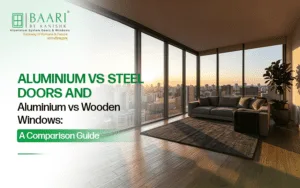
Aluminium vs Steel Doors and Aluminium vs Wooden Windows: A Comparison Guide
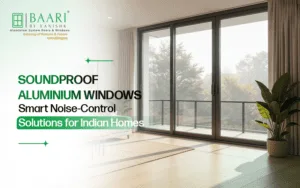
Soundproof Aluminium Windows: Smart Noise-Control Solutions for Indian Homes
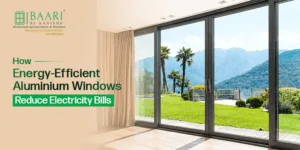
How Energy-Efficient Aluminium Windows Reduce Electricity Bills
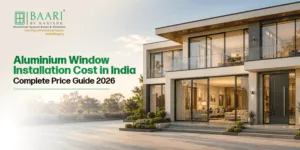
Aluminium Window Installation Cost in India — Complete Price Guide 2026
Complete Buyer’s Guide: Aluminium Doors & Windows in India 2026
Top Benefits of Aluminium Sliding Doors for Commercial Buildings
SOMESHWAR DEORA
PAOTAASHOK MEHTA
SARDARPURAAAKASH DEEP GUPTA
SHYAM NAGARSAMYAK JAIN
PAOTAMAHAVEER
JODHPURWe are committed to delivering high-quality aluminium doors and windows that blend innovation, durability, and modern aesthetics. As a top aluminium window brand in India, we focus on creating solutions that enhance both residential and commercial spaces. Offering superior insulation, security, and weather resistance. Contact us today to find the perfect aluminium window and door systems tailored to your needs.
Call support center 24/7
Our mail Address
What makes BAARI different from other aluminium window brands in India?
Unlike brands that solely assemble parts, we design and manufacture our own extrusion profiles in Jodhpur. This end-to-end control enables us to deliver unmatched structural precision, custom hardware integration, and a level of durability engineered for the Indian climate.
Why are aluminium windows becoming so popular in India?
Aluminium windows offer a contemporary look that complements modern architecture while performing well across India’s diverse climate. Their rust resistance and low maintenance make aluminium windows a smart, long-term investment for both residential homes and commercial spaces.
What are the benefits of premium aluminium doors?
Premium aluminium doors combine high-end aesthetics with structural strength, offering enhanced security and durability. They are designed for smooth operation over time, improving both functionality and property value.
Are aluminium windows heat-resistant?
Yes, BAARI windows support double glazing so that help reduce heat transfer, keeping indoor temperatures more stable, even during peak Indian summers.


